
When are you going to finish that book?

Bumps on the Road of Life                                      By David Joel Miller

By David Joel Miller, writer, blogger, and mental health professional.

When are you going to finish that book?

I had been struggling to write a book for several years. In fact, I tried writing various books off and on for about sixty years. But none of those books ever made it to the finish line. I could get the idea, and I could start writing, but I somehow couldn’t seem to finish the project. Maybe you’ve done that also? I thought that was all part of the process.

That “going to write a book someday” is a bit of a family tradition. I recall my father saying that he was going to write a book someday. He even took a class or two in writing. If he finished those classes, I never heard. But I do know that when he died, he hadn’t finished his book.

Then I get a nudge.

I was having lunch with a colleague. We had gone to graduate school together and tried to find time to sit down and talk about our journey toward becoming better therapists. Just to be clear, we didn’t talk about specific clients. That might violate the client’s confidentiality. But we did talk about ourselves and our struggles, both professionally and personally.

So, one day, the two of us were having lunch, and I mentioned that since I was well on my way to writing my blog, I was going back to working on my book. My friend looked me right in the eye and asked, “When are you going to finish that book?”

When am I going to finish that book?

So, I told her I didn’t know. There was still a lot to do on it. Her response startled me. “Can you promise me you will finish the book by the end of the month?” At the time, that question flabbergasted me. I thought books were supposed to take years to write.

I now know that there are writers who specialize in rapid writing and release. Writing rapidly is a skill, and it doesn’t always equate with producing a lot of usable material. NaNoWriMo is an excellent exercise for learning to write that first draft quickly. I’ll tell you about my experiences with NaNoWriMo and rapid writing in a future blog post. That experience was one of the stops on my journey, but it wasn’t the final destination.

I told my colleague that no, it wasn’t possible for me to finish the book by the end of that month. I thought that would put an end to that conversation. But she was not to be deterred so easily.

“Can you promise me you’ll finish it by the end of the year?”

That question really took me aback. At this point in my life, I was approaching seventy, and I was getting ready to put in for retirement. Something about that point in your life makes you stop and take a second look. I had to consider if I didn’t finish the book now, when would I?

One of the things I had learned from my mental health research was that as people get older and their abilities start to decline, regrets weigh on their minds. I had learned that what people regret is rarely the things they had done, even when those things had caused them problems. What many senior citizens regret are the things they’d always wanted to do but hadn’t done. While I wasn’t prepared to write myself off as a “senior citizen,” I had to consider whether I would regret never having finished that book. And the answer was a resounding yes.

I accept the challenge.

After thinking it over for a moment, I gave my friend an answer. Yes, I would finish my book by the end of the year. I took out a piece of paper that was in my pocket, my to-do list for the week, and wrote: “Finish my book” at the end of the list. I had learned from my work in substance abuse counseling that you can think about doing something, but that doesn’t make it a reality. But writing it down and telling someone else that you were going to do it really improves the chances you would take action. Since my usual habit was to cross things off my to-do list and recopy the list, I knew I was going to keep seeing that item on the list until I finished my book or gave up on it forever.

My rough draft becomes a finished manuscript.

Later that year, just before my seventieth birthday and my impending “retirement,” I finished that draft of my book. The question was, what was I going to do with the rough draft? I knew there were a lot of problems with the draft, but I just wasn’t sure what they were, so I started work on a system for polishing a first draft.

My apologies to readers who think that that’s all there is to it.

After completing that first draft, I thought I had a finished book. It turned out that the process of taking a first draft all the way to publication is a lot harder than just completing the first draft of the manuscript. You have to have a first draft, or you can’t publish anything. But as I was to learn, there were many more challenges ahead.

So far, my journey has been kind of like deciding to become a mountain climber and taking a hike from my house to the foot of the trail that leads up the mountain. Getting this far was hard, but it was only the beginning.

This is a revised version of a post which originally appeared on 12/6/22. Stay tuned for some new posts that fill in the details of my writing journey.

Staying connected with David Joel Miller.

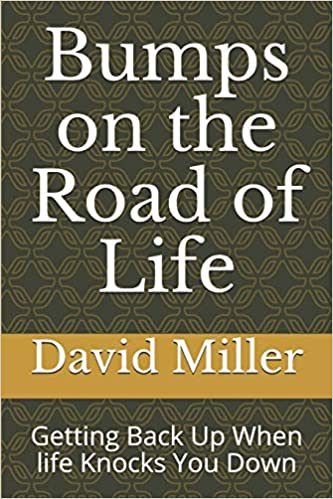
Seven David Joel Miller Books are available now! And more are on the way.

For these and my upcoming books, please visit my Author Page – David Joel Miller

Want the latest blog posts as they are published? Subscribe to this blog.

For more information about David Joel Miller’s work in mental health, please visit the counselorssoapbox.com website.

For my videos on mental health, substance abuse, and having a happy life, please see Counselorssoapbox YouTube Video Channel
Creating my first book.

Creating a Book.
photo courtesy of Pixabay

By David Joel Miller, writer, blogger, and mental health professional.

Polishing my first book.

So, what happened to the first manuscript I had finished?

The first book I wrote was definitely an experiment, though I didn’t know it at the time. My conclusion has been that the steps in becoming a writer are the equivalent of a musician practicing the scales. It may not sound pretty, but it’s a necessary step to perfecting your craft.

I thought that I had a pretty good handle on the book. I had written a nonfiction book specific to the field I worked in. I felt that if I worked at this every day, I should know enough to write a book on the subject. Knowing about the subject matter is not the same thing as being able to write about it.

My topic was how people overcome the difficulties of everyday living. People who work in the mental health field would call this an adjustment disorder. Professionals have a phenomenally long list of problems of living that can cause people difficulty. Most of this stuff is normal reactions to life’s problems. But when someone has an excessive reaction to the problem, that can be diagnosed and needs treatment.

I started compiling my first book.

At this point, I had been writing a blog on mental health for about six years. I’d written some technical posts about adjustment disorders and had also written some things that were meant to be helpful for people who were struggling with life’s challenges. So, I started by pulling all those blog posts together and putting them into the correct order.

By this point in my journey to becoming a writer, I had been reading several blogs on writing. I had read multiple posts about “blogging a book.” I understood that to mean you could take a bunch of blog posts, put them together, and turn them into a book. It’s a lot harder than it sounds.

I can’t blame any of the authors of those posts for the way my first book turned out. The problem was not with the suggestions or even the advice. It had to do with the execution. Later in this series, I’ll talk about which writing blogs I have found most helpful.

I probably should’ve started with an outline of what I was going to write on the blog and gradually posted sections, making sure to utilize the feedback for my revisions. But at this point, I still wasn’t clear on what I wanted to end up with in the book, so I just kept doing more research, writing additional blog posts, and adding some of them to my manuscript. Trying to turn all those pieces into a book was quite a challenge.

I knew I needed to get some other eyes on the manuscript.

I kept feeling there were parts of the story that were missing in my book and that I needed to include. So, I asked several friends and some coworkers in the mental health field to read the book and give me their feedback. I got some beneficial ideas, which I incorporated into a second draft. But I shouldn’t have stopped there.

A lot of what my first couple of readers discovered were proofreading issues, grammar, and spelling. I don’t think any book is ever written that doesn’t have those kinds of errors in it. I recently reviewed a book from a big-name publishing company for the class I teach, and sure enough, I found some proofreading errors and even a couple of factual problems.

I ran my book through a second draft.

The second draft consisted mainly of fixing grammar and spelling and adding more passages to cover things I left out of the first draft. At this point, I thought I had a book ready to send out into the world to see what other people thought. So, I decided my next step would be to study the publishing process.

Close to my retirement date and not sure about my finances, I decided to self-publish my book and do as many things as possible myself. I learned a lot from this process. One major thing I learned was that self-publishing is a lot more difficult than it appears. You need to learn many new skills to navigate the self-publishing process. I’m thankful that Amazon and several other companies have made this process feasible. Still, I’ve also learned there are many possible mistakes, and you need to practice each skill repeatedly until you can get good at it.

I made a lot of mistakes in this process.

I seem to have a genuine talent for making mistakes. Not just once, but I make some of the same ones repeatedly. Just because I figured out how to do something once five years ago does not mean I will remember how to do it again today.

I try to avoid being a perfectionist.

One of the mottos I live by is progress, not perfection. But it’s embarrassing sometimes to look back at something I did in the past and realize how much better it could have been. Not everything that was wrong with that first book was necessarily a mistake, but there sure were a lot of things that I needed to learn if I wanted to improve my craft.

In my next post, I’ll describe some of the mistakes I made, some of the things I wish I had improved on, and the lessons I learned from this process.

This is the revised version of a post that was originally published on 12/20/22. Stay tuned for some new posts that continue this story.

Staying connected with David Joel Miller.

Seven David Joel Miller Books are available now! And more are on the way.

For these and my upcoming books, please visit my Author Page – David Joel Miller

Want the latest blog posts as they are published? Subscribe to this blog.

For more information about David Joel Miller’s work in mental health, please visit the counselorssoapbox.com website.

For my videos on mental health, substance abuse, and having a happy life, please see Counselorssoapbox YouTube Video Channel

Polishing my first book.

By David Joel Miller, writer, blogger, and mental health professional.

Polishing my first book.

So, what happened to the first manuscript I had finished?

The first book I wrote was definitely an experiment, though I didn’t know it at the time. My conclusion has been that the steps in becoming a writer are the equivalent of a musician practicing the scales. It may not sound pretty, but it’s a necessary step to perfecting your craft.

I thought that I had a pretty good handle on the book. I had written a nonfiction book specific to the field I worked in. I felt that if I worked at this every day, I should know enough to write a book on the subject. Knowing about the subject matter is not the same thing as being able to write about it.

My topic was how people overcome the difficulties of everyday living. People who work in the mental health field would call this an adjustment disorder. Professionals have a phenomenally long list of problems of living that can cause people difficulty. Most of this stuff is normal reactions to life’s problems. But when someone has an excessive reaction to the problem, that can be diagnosed and needs treatment.

I started compiling my first book.

At this point, I had been writing a blog on mental health for about six years. I’d written some technical posts about adjustment disorders but also written some things that were meant to be helpful for people who were struggling with life’s challenges. So, I started by pulling all those blog posts together and putting them into the correct order.

By this point in my journey to becoming a writer, I had been reading several blogs on writing. I had read multiple posts about “blogging a book” I understood that to mean you could take a bunch of blog posts, put them together and turn them into a book. It’s a lot harder than it sounds.

I can’t blame any of the authors of those posts for the way my first book turned out. The problem was not with the suggestions or even the advice. It had to do with the execution. Later in this series, I’ll talk about which writing blogs I have found most helpful.

Probably I should’ve started with an outline of what I was going to write on the blog and gradually posted sections making sure to utilize the feedback for my revisions. But at this point, I still wasn’t clear on what I wanted to end up with in the book, so I just kept doing more research, writing additional blog posts, and adding some of them to my manuscript. Trying to turn all those pieces into a book was quite a challenge.

I knew I needed to get some other eyes on the manuscript.

I kept feeling there were parts of the story that were missing in my book and that I needed to include. So, I asked several friends and some coworkers in the mental health field to read the book and give me their feedback. I got some beneficial ideas which I incorporated into a second draft. But I shouldn’t have stopped there.

A lot of what my first couple of readers discovered were proofreading issues, grammar, and spelling. I don’t think any book is ever written that doesn’t have those kinds of errors in them. I recently reviewed a book from a big-name publishing company for the class I teach, and sure enough, I found some proofreading errors and even a couple of factual problems.

I ran my book through a second draft.

The second draft consisted mainly of fixing grammar and spelling and adding more passages to cover things I left out of the first draft. At this point, I thought I had a book ready to send out into the world to see what other people thought. So I decided my next step would be to study the publishing process.

Close to my retirement date and not sure about my finances, I decided to self-publish my book and do as many things as possible myself. I learned a lot from this process. One major thing I learned was that self-publishing is a lot more difficult than it appears. You need to learn many new skills to navigate the self-publishing process. I’m thankful that Amazon and several other companies have made this process feasible. Still, I’ve also learned there are many possible mistakes, and you need to practice each skill repeatedly until you can get good at it.

I made a lot of mistakes in this process.

I seem to have a genuine talent for making mistakes. Not just once, but I make some of the same ones repeatedly. Just because I figured out how to do something once five years ago does not mean I will remember how to do it again today.

I try to avoid being a perfectionist.

One of the mottos I live by is progress, not perfection. But it’s embarrassing sometimes to look back at something I did in the past and realize how much better it could have been. Not everything that was wrong with that first book was necessarily a mistake but there sure were a lot of things that I needed to learn if I wanted to improve my craft.

In my next post, I’ll describe some of the mistakes I made, some of the things I wish I had improved on, and the lessons I learned from this process.

Staying connected with David Joel Miller.

Seven David Joel Miller Books are available now! And more are on the way.

For these and my upcoming books, please visit my Author Page – David Joel Miller

Want the latest blog posts as they publish? Subscribe to this blog.

For more information about David Joel Miller’s work in mental health, please visit the counselorssoapbox.com website.

For my videos on mental health, substance abuse, and having a happy life, please see: Counselorssoapbox YouTube Video Channel

When are you going to finish that book?

By David Joel Miller, writer, blogger, and mental health professional.

When are you going to finish that book?

I had been struggling to write a book for several years. In fact, I tried writing various books off and on for about sixty years. But none of those books ever made it to the finish line. I could get the idea, and I could start writing, but I somehow couldn’t seem to finish the project. Maybe you’ve done that also? I thought that was all part of the process.

That “going to write a book someday” is a bit of a family tradition. I recall my father saying that he was going to write a book someday. He even took a class or two in writing. If he finished those classes, I never heard. But I do know that when he died, he hadn’t finished his book.

Then I get a nudge.

I was having lunch with a colleague. We had gone to graduate school together and tried to find time to sit down and talk about our journey toward becoming better therapists. Just to be clear, we didn’t talk about specific clients. That might violate the client’s confidentiality. But we did talk about ourselves and our struggles, both professionally and personally.

So, one day the two of us were having lunch, and I mentioned that since I was well on my way to writing my blog, I was going back to working on my book. My friend looked me right in the eye and asked, “when are you going to finish that book?”

When am I going to finish that book?

So, I told her I didn’t know. There was still a lot to do on it. Her response startled me. “Can you promise me you will finish the book by the end of the month?” At the time, that question flabbergasted me. I thought books were supposed to take years to write.

I now know that there are writers who specialize in rapid writing and release. Writing rapidly is a skill, and it doesn’t always equate with producing a lot of usable material. NaNoWriMo is an excellent exercise for learning to write that first draft quickly. I’ll tell you about my experiences with NaNoWriMo and rapid writing in a future blog post. That experience was one of the stops on my journey, but it wasn’t the final destination

I told my colleague that no, it wasn’t possible for me to finish the book by the end of that month. I thought that would put an end to that conversation. But she was not to be deterred so easily.

“Can you promise me you’ll finish it by the end of the year?”

That question really took me aback. At this point in my life, I was approaching seventy, and I was getting ready to put in for retirement. Something about that point in your life makes you stop and take a second look. I had to consider if I didn’t finish the book now, when would I?

One of the things I had learned from my mental health research was that as people get older and their abilities start to decline, regrets weigh on their minds. I had learned that what people regret is rarely the things they had done, even when those things had caused them problems. What many senior citizens regret are the things they’d always wanted to do but hadn’t done. While I wasn’t prepared to write myself off as a “senior citizen,” I had to consider whether I would regret never having finished that book. And the answer was a resounding yes.

I accept the challenge.

After thinking it over for a moment, I gave my friend an answer. Yes, I would finish my book by the end of the year. And I took out a piece of paper that was in my pocket, my to-do list for the week, and wrote: “finish my book” at the end of the list. I had learned from my work in substance abuse counseling that you can think about doing something, but that doesn’t make it a reality. But writing it down and telling someone else that you were going to do it really improves the chances you would take action. Since my usual habit was to cross things off my to-do list and recopy the list, I knew I was going to keep seeing that item on the list until I finished my book or gave up on it forever.

My rough draft becomes a finished manuscript.

Later that year, just before my seventieth birthday and my impending “retirement,” I finished that draft of my book. The question was, what was I going to do with the rough draft? I knew there were a lot of problems with the draft, but I just wasn’t sure what they were, so I started work on a system for polishing a first draft.

My apologies to readers who think that that’s all there is to it.

After completing that first draft, I thought I had a finished book. It turned out that the process of taking a first draft all the way to publication is a lot harder than just completing the first draft of the manuscript. You have to have a first draft, or you can’t publish anything. But as I was to learn, there were many more challenges ahead.

So far, my journey has been kind of like deciding to become a mountain climber and taking a hike from my house to the foot of the trail that leads up the mountain. Getting this far was hard, but it was only the beginning.

Staying connected with David Joel Miller.

Seven David Joel Miller Books are available now! And more are on the way.

For these and my upcoming books, please visit my Author Page – David Joel Miller

Want the latest blog posts as they publish? Subscribe to this blog.

For more information about David Joel Miller’s work in mental health, please visit the counselorssoapbox.com website.

For my videos on mental health, substance abuse, and having a happy life, please see: Counselorssoapbox YouTube Video Channel